Author Archives: Kendyl Salcito

Day 2! What UNICEF doesn’t know about child rights

For almost 70 years, UNICEF has been protecting children from famine and disease. They’ve only recently recognized the role of global business in that objective. NomoGaia has been helping UNICEF engage with businesses on children’s rights.

In September we ran a workshop, hosted by UNICEF and the Mining Association of Canada, to help mining companies recognize children’s rights issues, building on our field experience witnessing an incredible array of impacts on children that mines had no idea they were having:

Unsecured mine sites have been breached children paid by local gangs to syphon fuel from tractors or steal vital environmental liners – they break in when workers have been cleared from site for safety, because the pits are about to be dynamited.
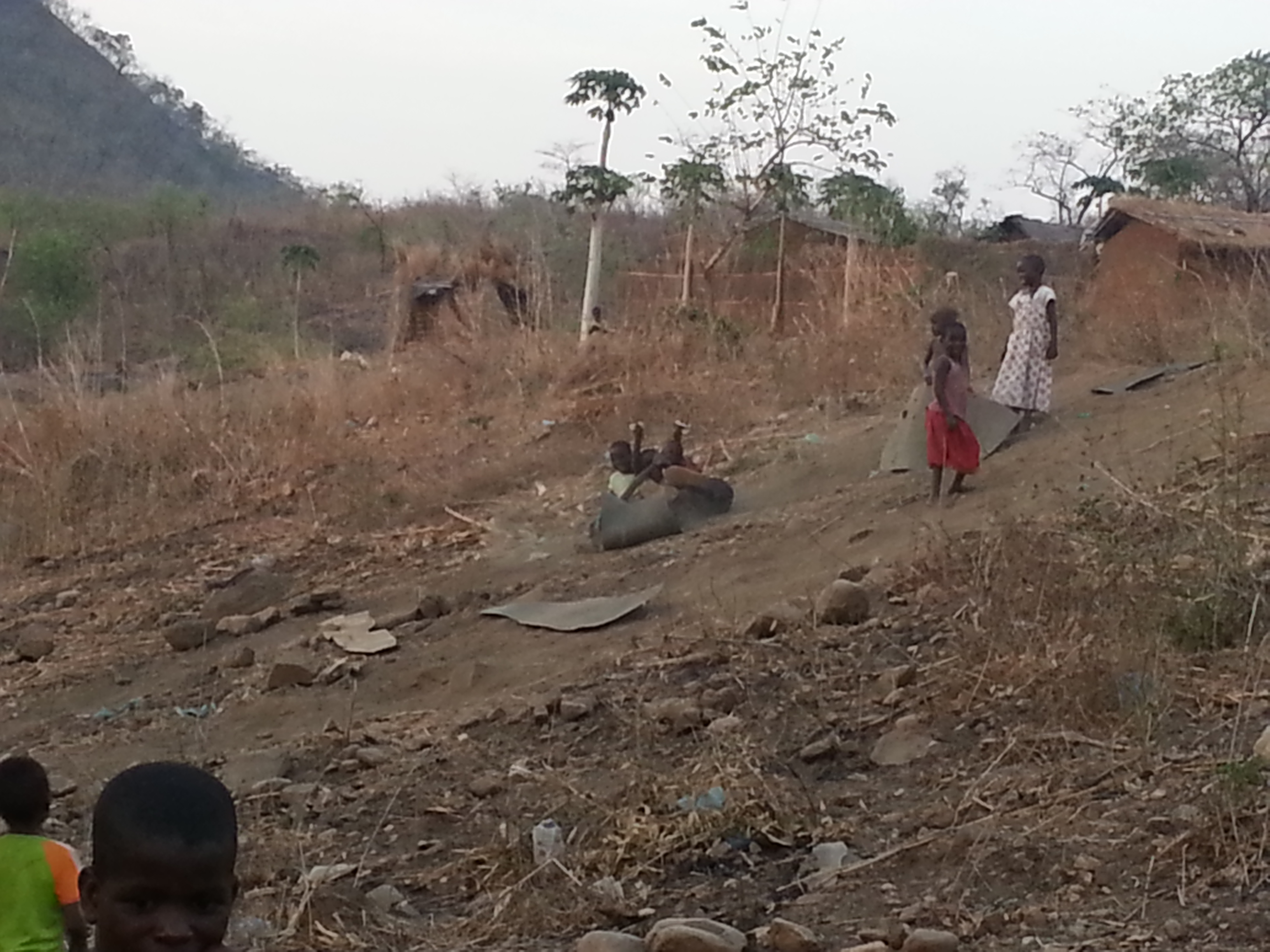
Children sledding on environmental protection liners, removed (unwittingly) from key mine areas.

Children sledding on environmental protection liners, removed (unwittingly) from key mine areas.

Mines that ignored HIV in the workforce have triggered increases in disease spread in remote, rural areas, and babies born to unwittingly seropositive mothers missed the opportunity to receive proper treatment.
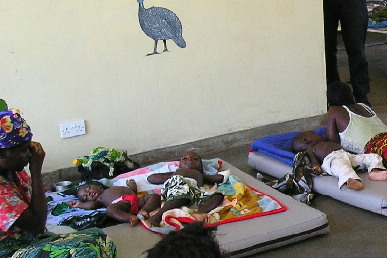
Pediatric ward (the company here is actually actively supporting HIV management)

Pediatric ward (the company here is actually actively supporting HIV management)

Mines can cause population influx that overwhelms local schools, leaving teachers powerless to educate future generations.
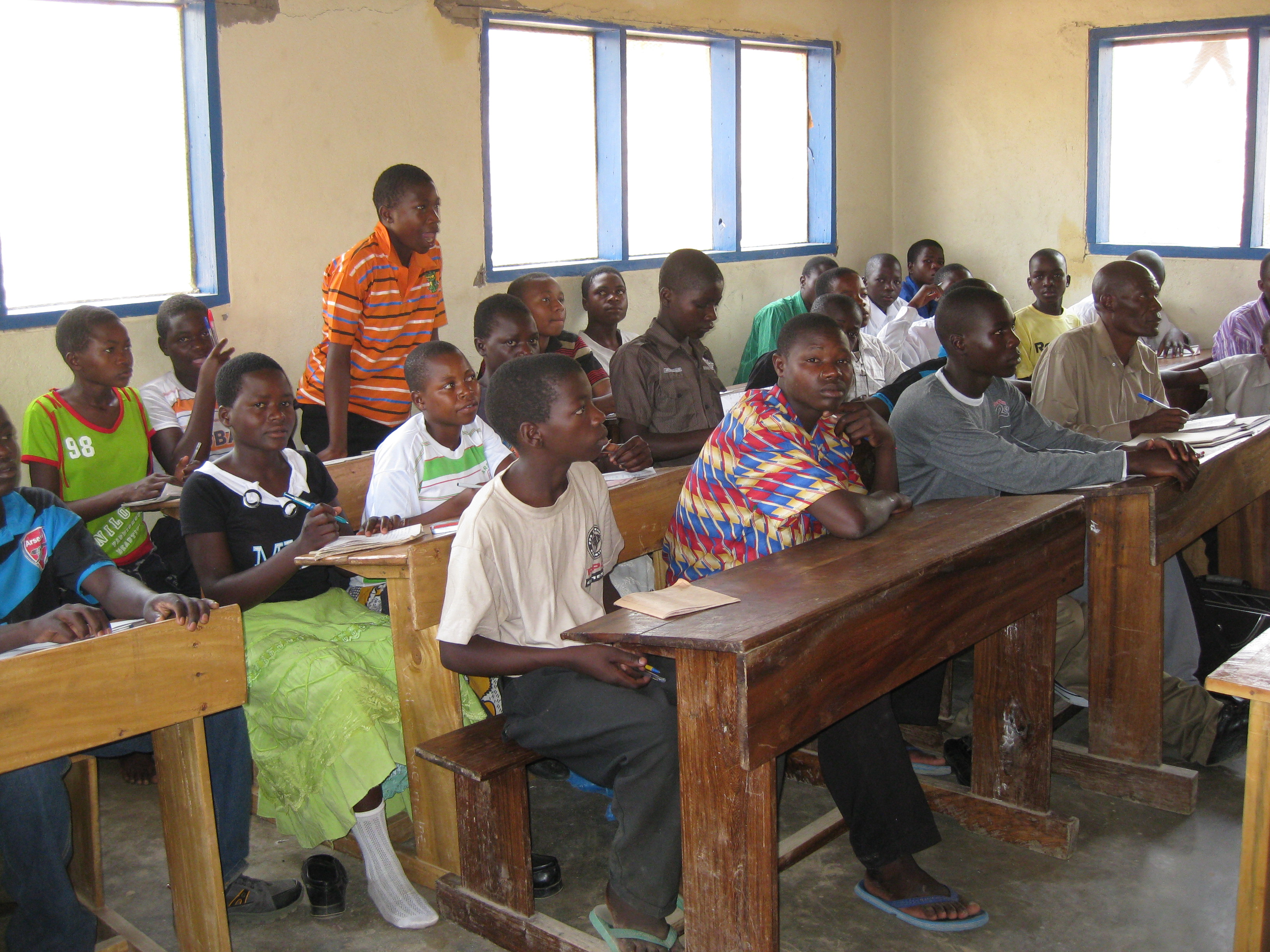
Crowded secondary school classroom after population influx.

Crowded secondary school classroom after population influx.

Yong miners and contractors seduce girls living far from home at secondary school dormitories, who are shunned by their communities and forced out of school if they become pregnant.
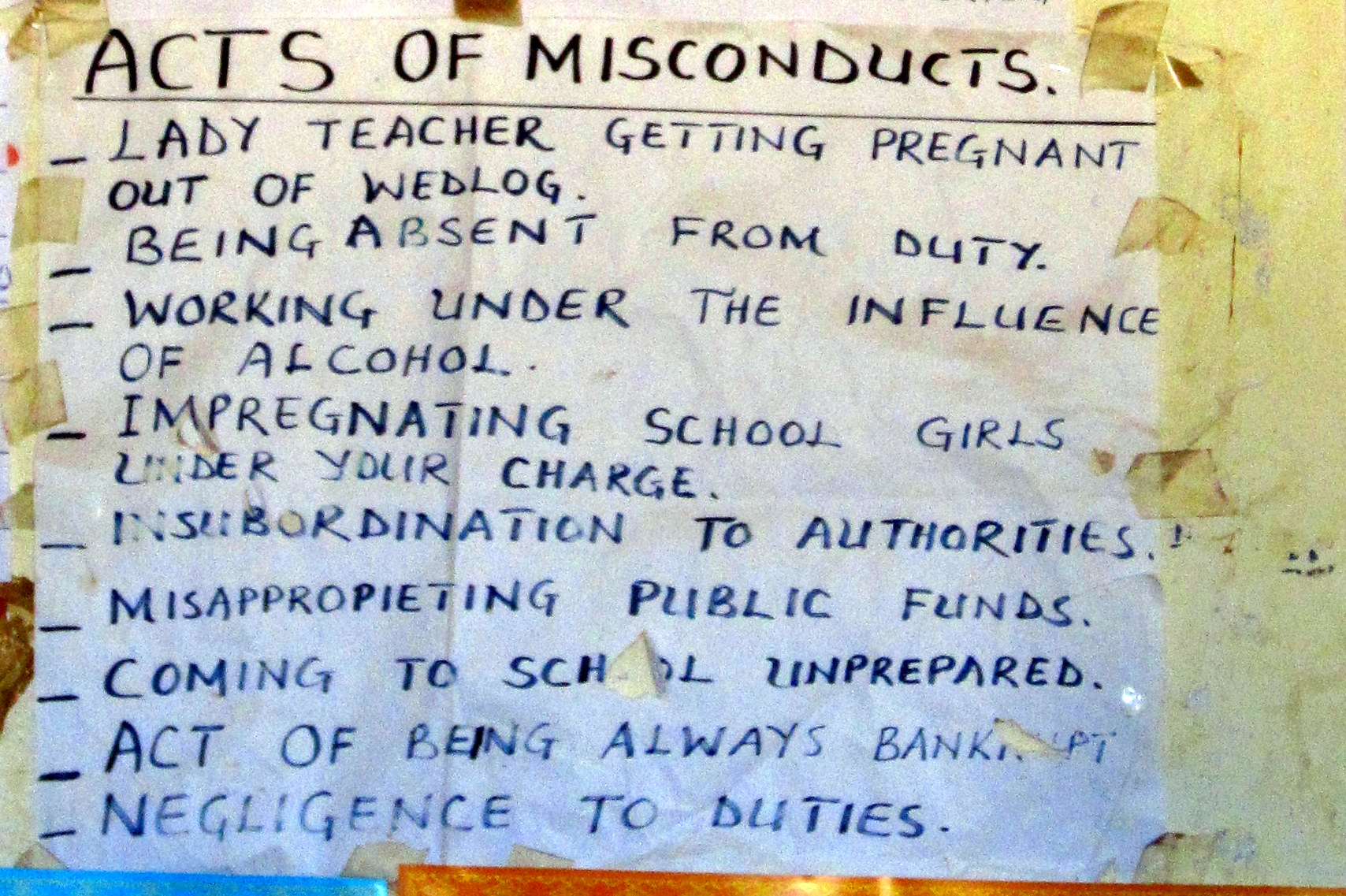
This sign is actually from the primary school. The risks for young girls interacting with mineworkers are yet higher.

This sign is actually from the primary school. The risks for young girls interacting with mineworkers are yet higher.

UNICEF produced a tool this month for “engaging stakeholders on children’s rights” that drew direct input from our workshop. It’s available here.
Donate here!

Shop at Amazon and make Amazon donate!

Buy Scopello wine and make Bellus donate!

Why helping the World Bank is a good idea

The World Bank lends $35 billion each year to countries in the name of reducing poverty and promoting development, but they currently have no mechanisms for evaluating the impacts their projects have on the actual humans affected by these investments (not even, curiously, for evaluating the effects of development loans on poverty).
With your support, NomoGaia is changing the way the World Bank does business in Burma.

Dec 8 rubber tapper

A rubber tapper from the local area, affected by the power plant.

Your donations employed a political prisoner to be our guide as we began research into the human rights impacts of a World Bank-funded power plant in Mon State. Our research triggered an ongoing investigation at the World Bank – they have hired an external reviewer to evaluate the risks we identified.

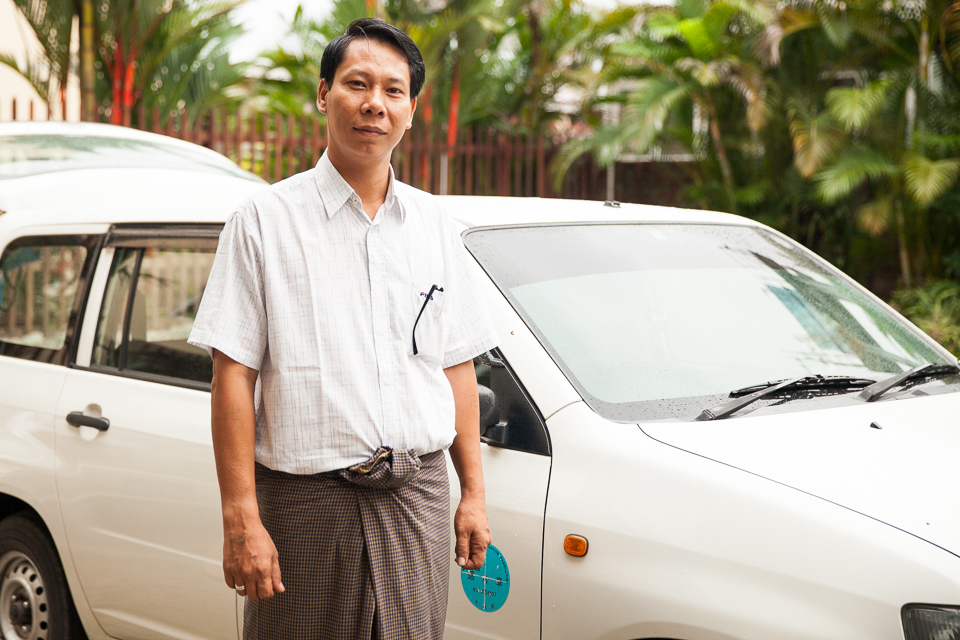
Dec 8 lead photo Shell w car

Shell, a political prisoner for 8 years, was our incredibly brave and insightful guide.

We are seeing some signs that the World Bank is modifying its broader approach to Burma to account for the risks we brought to the fore in this small investment.
Our report was cited by Human Rights Watch in their reviews of World Bank operations, broadening the reach of our work well beyond our means.

Read more here.
Donate here.
Shop at Amazon and make Amazon donate!

Human Rights Week 2k14 – Annual Donation Drive

Our year in review is coming your way

Just a heads up that Human Rights Day is in the middle of next week. Human Rights Week is also the week you get an email a day from NomoGaia, filling you in on what we’ve done with your donations and asking you to continue supporting our operations in the coming year. For being an all-volunteer organization with only one full-time volunteer, we get a shocking amount of work done.

If you can find a few minutes to read next week’s emails, awesome. If you can’t, enjoy the photos. If you click the donate button, know that you’re not buying anyone a sheep, a meal, or a law suit, but you are helping global business operate without violating human rights. That’s a pretty big deal, since global business represents much of the world economy, and it’s probably responsible for the screen on which you read this, the clothes that keep you warm, the sugar in your holiday cookies and the lights on your trees (or candles in your menorahs).

You can also make Amazon donate by doing your holiday shopping online through this link: http://smile.amazon.com/ch/33-1203791

Why Jordan’s newest water source may be bad news for Jordanians

Mohamed Yusuf is 60 years old and raised seven sons and a daughter on his teaching salary in Saudi Arabia. He returned to Amman 15 years ago and hasn’t had a steady supply of water in his household since the day he got back. Starting this summer, though, the three days of supply he receives carries his family through the whole week and leaves enough for washing the car. Now he sells juicy produce to cover household expenses.

It’s hard to see the downside in this new improvement in access, and most Jordanians above a certain income level have nothing but positive things to say.

Currently the world’s second water-poorest country, Jordan has rationed domestic water for 30 years. At the same time, it dumps between 60 and 90% of its water resources onto citrus, banana and other water-guzzling crops designated mostly for export in Europe. Revenues support 3% of Jordan’s GDP and an undeniably luxurious lifestyle for the handful of wealthy producers.

Rather than a reallocation of water from farms to residents, the solution to Jordan’s drinking water crisis has taken the form of tapping a great, unsullied ancient aquifer near the Saudi border – one that Alexander the Great named on his list of conquests 2300 years ago.

The Disi Aquifer was supposed to supply water for 35 years while the world figured out how to make desalination cheap.

The trouble was, Disi wasn’t full of the promised 10 billion cubic meters of water – it had closer to 2.2, enough to last Amman 16 years at best. Also, it wasn’t as pristine as proposed – it’s heavily laced with radionuclides, making it carcinogenic for those who drink it.

The pipeline from Disi to Amman has gone forward all the same, funded by US and European development banks. Last summer the water started flowing to households in Amman.

Evaluating whether the Disi pipeline is positively impacting the right to water is complicated. Jordanians were previously receiving inadequate quantities of water, making additional resources essential. But now the Disi water is flowing at unsustainable rates through fractured pipelines where up to half the water is lost into the soil and down secret siphons attached to the swimming pools and gardens of the wealthy and powerful. And it may be poisoning those who drink it.

Water remains cheap here — cheaper even than the US. Denverites pay $0.75 per cubic meter of water — Jordanians pay half that. Among the upper and middle class, this has not promoted efficiency. People wash cars weekly, sweep patios with a running hose and plant citrus trees in their gardens. The median on my street here in Amman is a block-long water fountain.

Asked whether they believe the Disi water will last for many years, people say, “God will supply us with the water we need.” It might be more efficient to get it from the farmers, though.


If you ever thought NomoGaia would make its way into Food & Wine…

… you had foresight that I lacked.

But here we are!

“Industry-loved Momofuku beverage director Jordan Salcito founded Bellus (“beauty” in Latin) to collaborate with some of her favorite producers on  affordable, delicious terroir-driven bottles. Her latest releases include the 2013 Bellus Scopello Frappato, a lively, cherry-scented red with a great backstory. The wine’s superb in its own right, but the really cool thing about it is that Salcito is donating a portion of its sales to NomoGaia, an NGO run by her sister, Kendyl.”

Read the full blog post here.