Author Archives: Kendyl Salcito

Hi (again) from Uchindile: Why we keep coming back to the same project sites

We’ve been coming to Uchindile since 2009, watching the morphing relationship between Green Resources and local communities for five years. Green Resources is a Norway-based forestry company with major operations in Tanzania, where pine and eucalyptus are grown for carbon credits and harvested for sale as transmission poles, timber and pulp. Uchindile is one of the company’s flagship plantations.

The aim has always been to monitor change, and the hope has always been to witness improvement. The tricky thing with “improvement” in human rights, though, is that rights are distinct privileges and freedoms that work together in complex ways, and improving conditions to support one right (say, the right to food) does not automatically result in improvements in another right (say, the right to health).

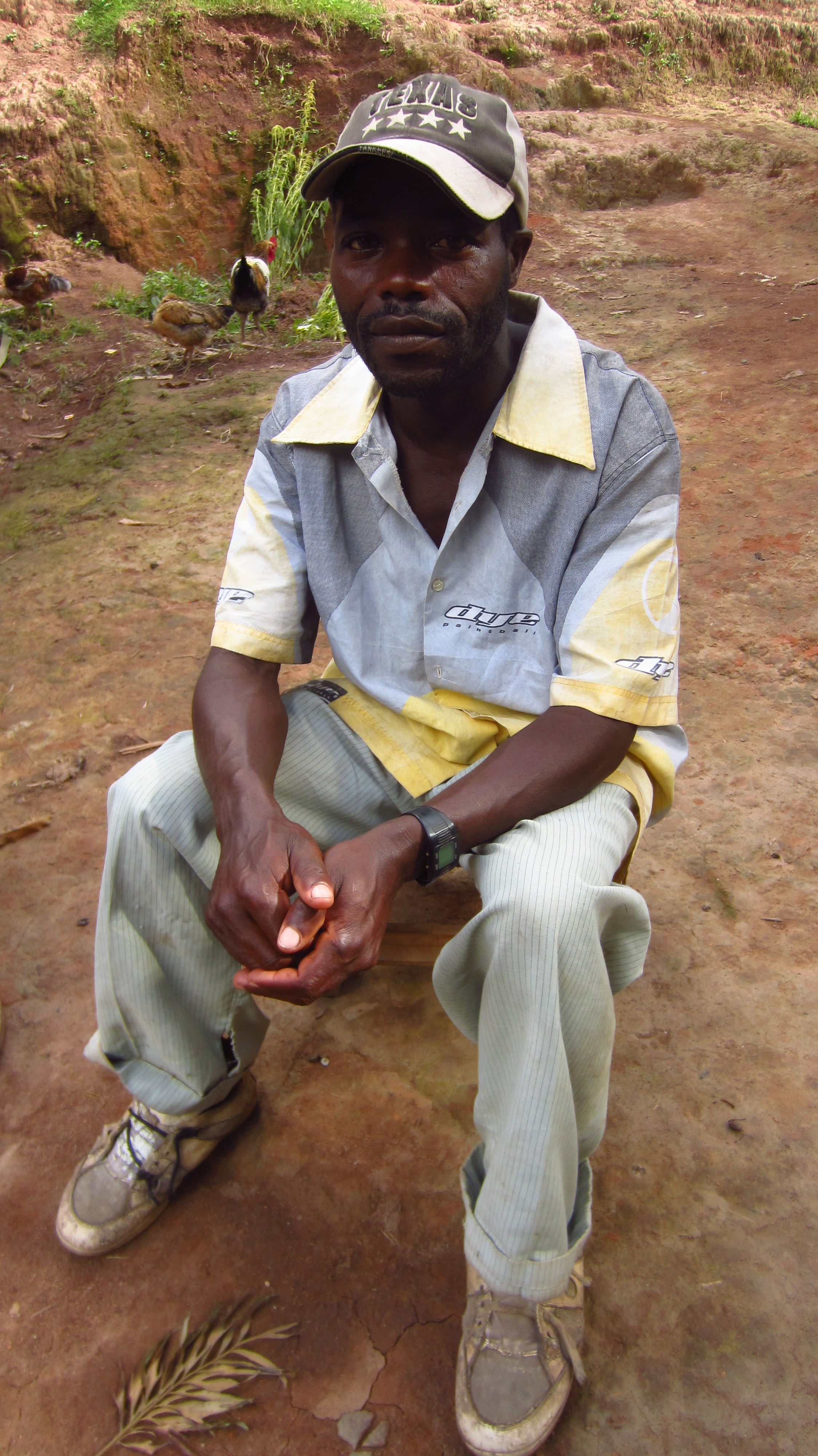
At Uchindile, we’ve found that many of the human rights risks we identified in 2009 are remedied in one location but relocated to another. At Uchindile workers sleep one-to-a-bed. At Kitete II, 12 men are stuffed into each room, sharing grimy mattresses with at least one other person. Some of the remedies instituted by the company (supplying two meals to workers per day and regular transport to work sites, to respect the right to food and favorable working conditions) are only instituted for part of the year. Dennis walks 10 km each way to the fields every day (on rain-slick mud, in the dark) to avoid sleeping there.

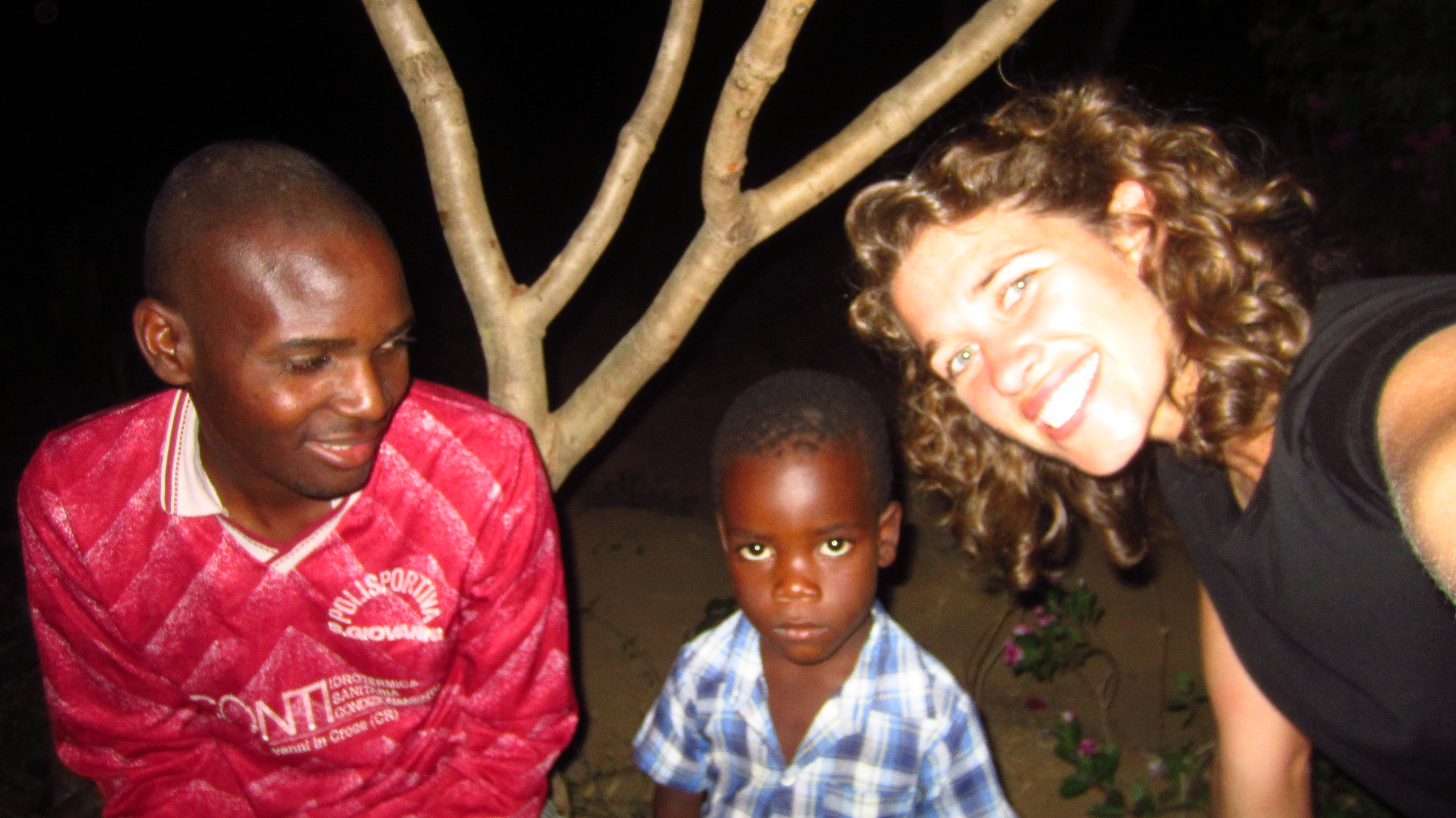
Dennis

Beyond the partial-remedies which need to be monitored, new rights risks are also arising. As forestry acreage increases, land stresses have developed in local villages. At one community, eight land disputes are now running between longtime residents and new arrivals over who holds the right to use lands. In another, the massive expansion of forestry (both by Green Resources and new copy-cat businesses) has pressed wild animals closer to village crops, resulting in major crop losses.

Bibi Zanadoya, pictured here, offered a tour of cornfields destroyed by pigs. She will only have three months of food for this year – for the rest of the year she will be working as a day laborer for cash.

Bibi Zenadouya

HRIA cannot end after an initial assessment, because impacts morph as projects grow and develop. A one-off assessment would not have identified risks posed to Bibi Zanadoya’s right to food, health and an adequate standard of living, nor would it have recognized that in addressing Human Rights impacts at one plantation dormitory Green Resources would replicate the problems in new dormitories.

“Who should be conducting these HRIAs?”

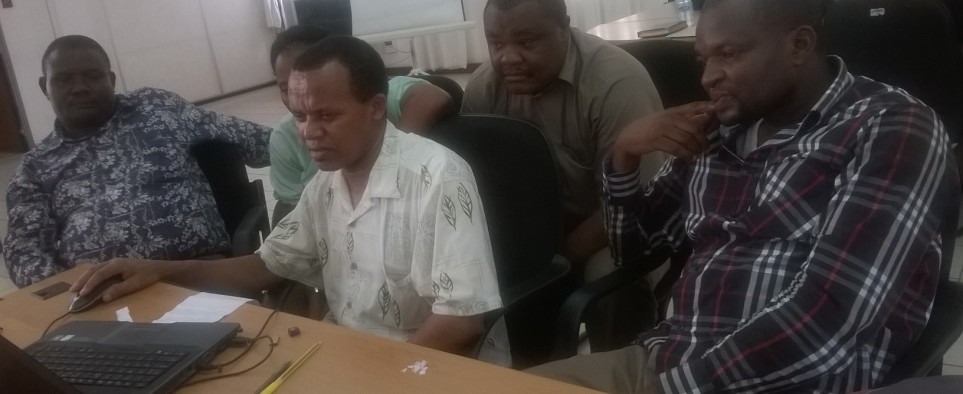
During a 3-day training in human rights impact assessment (HRIA) for the Tanzanian Commission on Human Rights and Good Governance (CHRAGG), a Tanzanian investigator asked the question that now titles this note.

Who indeed? Corporate HRIA has swiftly moved into the sphere of consultants since the publication and broad endorsement of the UN Guiding Principles on Business and Human Rights in 2011. Technical consultants, management consultants, risk analysts and lawyers now consult with companies on their human rights impacts and due diligence processes, though these investigations very rarely reach the public.

Given the opacity that this has generated, perhaps an alternative field should be conducting HRIAs.

The CHRAGG’s interest in conducting such assessments is a powerful signal of the potential that government agencies can have in the business and human rights sphere. As an entity charged with investigation human rights risks and educating the public about rights, CHRAGG can bring both investigative capacity and commitment to transparency to HRIA. Its mandate authorizes its investigators to enter locations where they believe human rights violations are occurring, which provides a strong impetus for companies to facilitate investigations and voluntarily supply requested data.

Further, CHRAGG may have the authority to evaluate the adequacy of HRIAs conducted by companies. Where companies claim to “know and show” their human rights impacts by conducting due diligence, national human rights institutions can demand proof. This option does not even require human rights institutions to conduct the assessments, but entitles them to review, critique, and request clarification. A review process would also improve transparency in the human rights due diligence sphere. Opportunities abound, and CHRAGG appears to be seizing them.

In Memoriam: Dominic Mlenje

Dominic Mlenje worked with NomoGaia on the Kayelekera Uranium Mine HRIA for 5 years, from 2008 to 2013. Hired initially as a driver, he soon made his skills known in vehicular mechanics, rightsholder interviewing and issue investigation. He was in touch with the fears and aspirations of community members, and they opened up immediately to him, while we outsiders were far slower to earn trust.

He was a talented and diligent worker. He was also a dear friend. Malawi faced very difficult years in 2012 and 2013, and though his family suffered from economic shocks, illness and political turmoil, he found ways to smile and laugh.

We will miss him in countless ways.

IMG_3732

The importance of outcomes: Limitations in the quest for human rights indicators

This entry was originally posted at the London School of Economics Measuring B&HR website, available here.

When we talk about business and human rights, we are necessarily talking about how companies affect people. This is because corporate responsibility towards human rights boils down to a “do no harm” principle.

Since the point of the business and human rights movement is to ensure that businesses do not contribute to human rights violations, indicators must ultimately evaluate whether business activities generate negative human rights outcomes. Such indicators are referred to as “outcome” indicators, as contrasted with “process” and “policy” indicators.

Process and policy indicators evaluate the mechanisms companies put in place to hold their operations to human rights standards. There is clear value to policy and project benchmarks, insofar as they establish internal standards for a corporation and are accessible to investors and evaluators. However, measurements of a company’s stated commitment and professed engagement with the topic provide little more than a hint of a company’s actual respect for (i.e. impact on) human rights. Because they do not indicate whether a company is successfully implementing those processes, let alone whether those processes successfully respect human rights, it is crucial that extreme caution and perfect clarity be used when referring to them as business and human rights indicators.

Often process indicators are attractive because they can be relatively easy to verify and report. But this attraction can be counterproductive if they are not, in fact, indicators of actual human rights violations.  For example, in a country where child labor is common, a company might institute a policy banning child labor in the workforce and a process requiring jobseekers to present an ID showing that they are over 18 years of age. The policy and process aim to respect the rights of children. An auditor could verify that the company does regularly and routinely check IDs, giving it high marks for this process indicator. The company could then publicize its verified respect for human rights. But if the country where this takes place has notoriously ubiquitous ID fraud, and teens can cheaply buy identification documents in the market, checking an ID card may have little meaning. If the company knows and exploits this fact to intentionally hire children, the process indicator does not reveal the human rights violation. Instead it hides the truth. Process can be honored and human rights violated.

This puts evaluators and auditors in a bind. How can one audit whether a business impacts child labor when process indicators are poorly correlated with outcome indicators? The only reasonable answer at present is: only the rightsholders can verify outcomes.

An iterative process of engaging rightsholders to establish the adequacy of policies, processes and outcomes has been central to NomoGaia’s approach to human rights impact assessment. Over six years, we have generated an increasingly complete and coherent list of indicators for evaluating large footprint, capital intensive projects like mines, oilfields and dams. At the project level, human rights impact assessments compile environmental, social, political, health, education and labor indicators to generate human rights ratings, which are then subjected to evaluation by direct engagement with affected rightsholders. The view from the ground enables us to look back up the corporate structure to evaluate whether the policies and processes endorsed by the company are (a) effectively promulgated, and (b) sufficient to ensure respect for human rights.

Here, a new challenge for policy and process indicators arises. Because policies and processes are only as good as the outcomes they generate, and because outcomes result from interplay between context and business activities, there is no universal benchmark for the adequacy of a process, and therefore of a process indicator. For example, when operating in areas where HIV prevalence rates are high, companies should establish specific HIV/AIDS processes to avoid increasing transmission and to avoid exacerbating the discrimination faced by seropositive people. An HIV process which consists solely of ensuring that HIV status will not be a factor for hiring might be adequate in a location where access to counseling, testing and treatment is readily available. In areas where such services do not exist, an infection can be a death sentence, and thus a much more robust process will be needed.

Does this mean that a quest for business and human rights indicators is futile? On the contrary, it means that concrete benchmarks are vitally important to help generate better policies, processes and outcomes over time. As outcome indicators become more robust, policies and processes can improve, which will increase the usefulness of policy and process indicators. In addition, the approaches generated by leading companies can set new benchmarks as they find what works.  The more that companies share their struggles and success with human rights impacts, the more thorough this understanding will become.

What will bring real progress is transparency, and the discussion board that the MB&HR initiative has launched is a step in the right direction.

Kendyl Salcito and Mark Wielga

Annual Report 2013

NomoGaia’s 2013 Annual Report is out, available here and on our “About” page.

2013 saw our activities expand to accommodate the changing landscape in business and human rights. We focused more attention on the long-term impacts of corporate activities, rather than commence new HRIAs. We also dedicated significant amounts of time to partnering with academic, non-governmental, and governmental institutions to build capacity for human rights assessment and monitoring.

Annual Report 2013