Meaningful Engagement
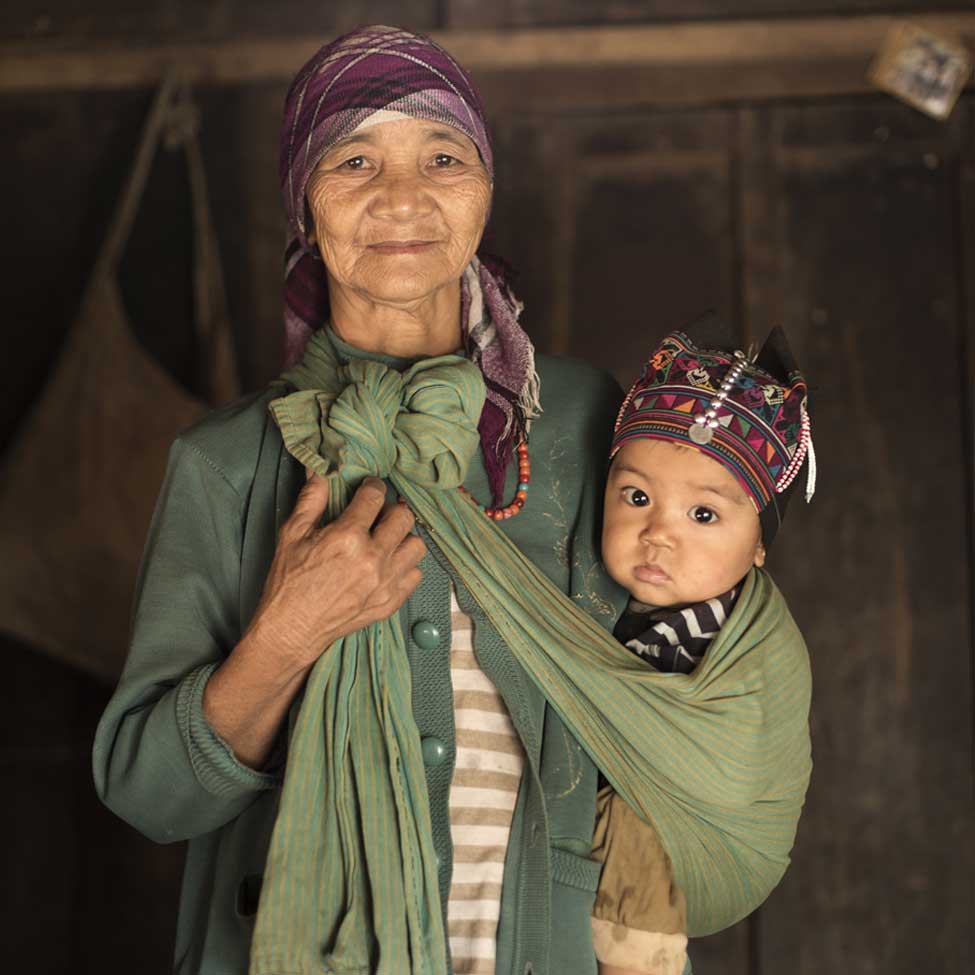
Meaningful engagement helps companies find real impacts, reduce harm, and support remedy.
Meaningful engagement is the practical core of human rights due diligence: it’s how companies understand what’s happening on the ground, and whether their responses actually work. NomoGaia’s guidance focuses on engagement that is safe, accessible, and rooted in the perspectives of affected people. It covers how to plan conversations, remove barriers to participation, and protect against retaliation or intimidation. We also emphasise “closing the loop” — feeding insights into decisions, actions, and monitoring over time. Done well, engagement builds trust and improves outcomes for rightsholders and for the companies responsible for addressing impacts.
Effective human rights management depends on engagement that is principled, intentional, and grounded in impact. Not all engagement is the same. Companies must distinguish clearly between rightsholders, stakeholders, and the different purposes engagement serves.
What meaningful engagement includes
Engagement works when people can speak freely, be understood, and see what happens next. Meaningful Engagement is a term of art in human rights practice, distinct from stakeholder mapping and goodwill-building.
- Rightsholders are individuals or groups whose human rights may be affected by a company’s operations or business relationships.
- Engagement with rightsholders must be driven by vulnerability and exposure to harm, not by influence or status.
- Philanthropy, brand management, and permitting processes are not substitutes for meaningful engagement.
Some stakeholders may also be rightsholders. For example, a local mayor may both experience environmental impacts and hold decision-making authority. In such cases, engagement must distinguish between:
- The individual acting as a rightsholder, and
- The individual acting as a stakeholder with institutional interests.
Conflicts of interest can arise. A leader concerned about water pollution may hesitate to acknowledge it publicly to protect tourism or investment. If a company offers promotional support for tourism instead of addressing emissions, it may reinforce stakeholder interests while worsening harm to rightsholders.
A benefit can never substitute for mitigation of harm. Companies must gather reliable data on actual and potential impacts before offering benefits or partnerships.
01
Have the right skills and competencies
Engaging vulnerable rightsholders requires specialized training. Discussions about harm can retraumatize survivors. Conflict-sensitive, trauma-informed approaches—often rooted in medical anthropology—are strongly recommended. Effective techniques include “Go Along” methods for vulnerable interviewees; vulnerability/agency frameworks; and conflict-sensitive interviewing practices. Without trained facilitators, engagement can inadvertently deepen harm.
Understand preexisting community fora
Established groups – religious associations, unions, women’s cooperatives, councils, or other committees – can provide valuable insights. They cannot speak for entire communities. In some cases they exclude marginalized or dissenting voices, reinforce power imbalances, or discourage participation from non-members.
Broad-based engagement must extend beyond formal leadership structures.
Gatekeepers
Marginalized, Indigenous, and other communities may rely on trusted leaders to protect them from exploitation, wasted time, or false promises. These gatekeepers are essential contacts, but failure to engage beyond them signals failed meaningful engagement. See more guidance from Tallgrass Institute.
02
External engagement needs to be rightsholder-informed and context-specific. These draft guides provide practical prompts for listening to workers, communities, unions, NGOs, other affected groups, and ultimately, rightsholders themselves — covering harms, root causes, barriers to remedy, and what “good outcomes” look like from their perspective.
The goal is to understand:
- How rightsholders see themselves and their lives
- How their lived experiences compare to official accounts from companies, governments, or NGOs
- Where gaps exist between reported conditions and reality
03
Internal engagement helps teams align before they engage externally. These guides support conversations across functions like procurement, HR, legal, operations, and compliance — clarifying roles, surfacing blind spots, and making sure the organisation is ready to act on what it hears.
The point of internal interviews is not just to gather quantitative data about operational conditions but also to connect on a human level with the people whose jobs intersect with human rights, whether they know it or not. You want their perspective on what makes this job site more challenging than others; which off-the-shelf systems are falling short of the needs they have.
04